Emma Snyder
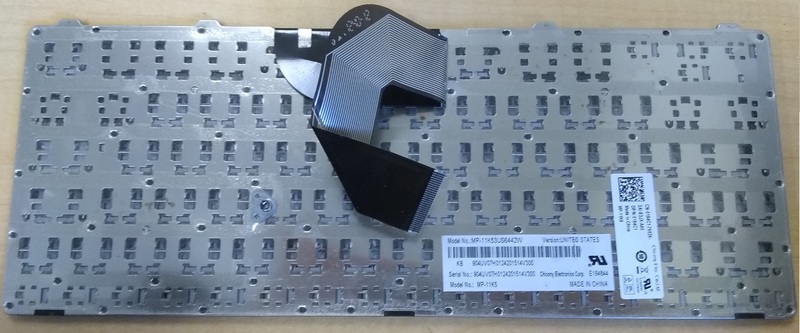
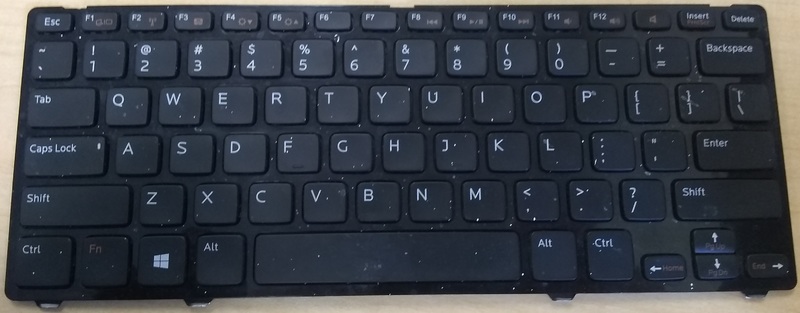
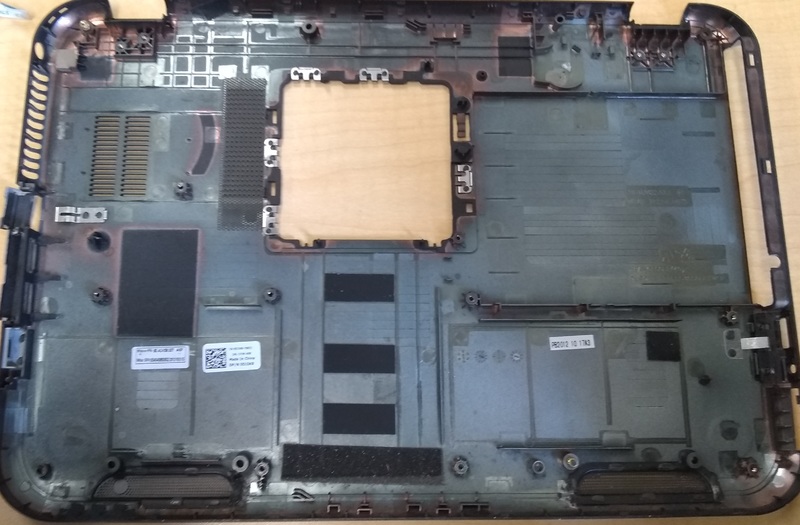
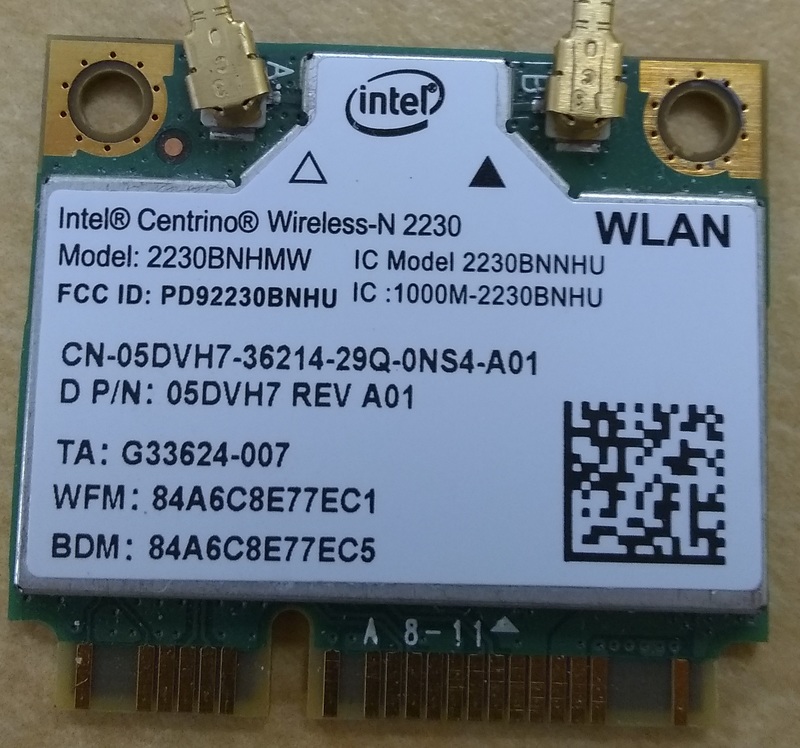
This is the work I did for the Digital Archaeology Project [DGST-101, Spring 2019 UMW]. In this project, I worked with a group to dissect a Dell Inspiron 14Z-5423 laptop. I had three parts which I identified to be a base cover, a laptop keyboard, and a wireless card. Using the information off of these items, I was able to find the countries they were made in and which companies manufactured them. Upon closer inspection of each individual item, I realized I could find the factories owned by each company in the respective countries of origin and discover what parts they produced. This helped me find the specific factory addresses for where each of these three parts were made.
Below is the map with the locations of the three pieces with an showcase beneath it of each item and their identifying pictures.
- Title
- Wireless Card
- Description
- The wireless card of a DELL INSPIRON 14Z 5423 made in 2012.
- Provenance
- This was found inside of the dismantled laptop.
- Function
- A wireless card is used to access the network from within the laptop.
- Identifier
- IC Model: 2230BNNHU
- Country of Origin
- China
- Part Number
- 2230BnHMW
- Date Code
- E178682
- Date Created
- 03/14/2012
- Other Markings
- CMIT ID: 2011DJ6494
- Manufacturer
- Intel Centrino Wireless
- Evidence
- I went to Intel Centrino's website and found their CMIT Country Locator. Since the Wireless Card had a CMIT number, I found out that it was made in one of the Intel fabrication sites (commonly known as FAB sites) in China. I continued to look on Intel's website until I found a list of their global manufacturing sites and found the ones they listed as being in China. Using the website Computer World, I found out that Fab 68 was opened around the time that this wireless card was fabricated and produced this kind of laptop component, making it the most likely candidate for where this piece was made.
- Curator
- Emma Snyder
- Is Part Of
- Dell Inspiron 14Z-5423
- Item sets
- Dell Inspiron 14Z-5423
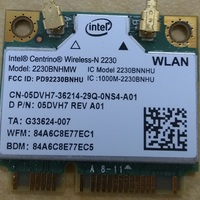
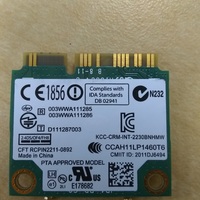
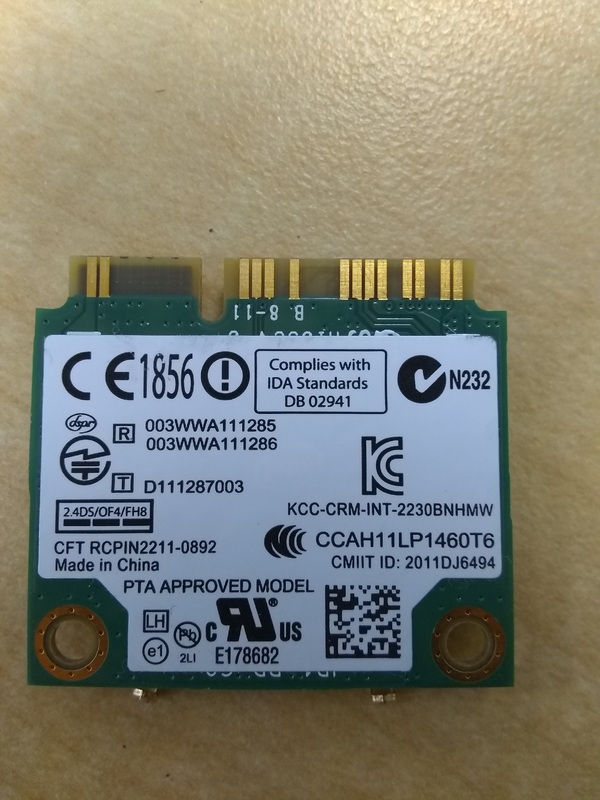
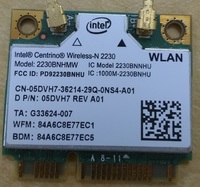
This wireless card had three different sets of identifying numbers on it, which are listed below.
-
IC Model: 2230BNNHU
-
FCC ID: PD92230BNHU
-
CMIT ID: 2011DJ6494
The card revealed it had been made in China by a company called Intel Centrino Wireless. On Intel's website, they listed the Modular Regulatory Certification Country Markings. From here, I learned that the specific CMIT ID on my wireless card indicated it had certainly been made in China.
I continued searching through Intel's website until I found their Global Manufacturing information, which revealed the places in different countries where their products were being produced. When filtered specifically to China, there were only a few factories. The most notable one was titled "Fab 68," and upon further research using this Computer World article, I found that Fab 68 was built in 2010 as the first manufacturing plant owned by Intel in China. Given the production of the Dell laptop had been sourced in 2012, this factory seemed the most likely to be the one where the wireless chip was made.
Intel is incredibly transparent when it comes to how they manufacture their chips. They fabricate each of their wireless chips and cards in what they call a "fabrication" factory, or a Fab, hence why the mother of this wireless card is called Fab 68. They fabricate their chips in pristine conditions, claiming on their website that these laboratories are "thousands of times cleaner" than hospital operating rooms.
Their technicians wear white suits that allow only their nose and eyes to be exposed, which Intel claims were specifically designed to ensure that no lint or hair from the workers makes it into the sensitive environment. The designs for each individual chip vary based on its purpose, but generally, the actual fabrication process is incredibly complex and involves hundreds upon hundreds of steps. Each of these steps is essentially the addition of another layer on the chip to build up the components and piece the part together.
Below is a video done by Bloomberg that demonstrates the factory process of how Intel makes a chip, to put it more visually than just in writing.
- Title
- Laptop Keyboard
- Description
-
The laptop keyboard of a DELL INSPIRON 14Z 5423 made in 2012.
- Provenance
-
This was found inside of the dismantled laptop.
- Function
- This allows the user to type on the laptop.
- Identifier
- SN: 904UV07H0124201514V300
- Country of Origin
- China
- Part Number
- MP-11K53US6442W
- Date Code
- 1240-12
- Date Created
- 03/14/2012
- Manufacturer
- Chicony Electronics Corporation
- Evidence
- I went to Chicony Electronics Corporation's website and since the text on the laptop keyboard revealed it was made in China, I looked up their factory locations in China that could have fabricated this piece. Once I found the factories, I found a part of Chicony's website that enabled me to search for the individual factories within China and provided specific addresses and photographs of each one. There were only a few factories in China that Chicony was operating at the time this computer piece was manufactured. Using Bloomberg, I was able to find what kind of products each factory manufactured and narrow it down to a specific location.
- Curator
- Emma Snyder
- Is Part Of
- Dell Inspiron 14Z-5423
- Item sets
- Dell Inspiron 14Z-5423
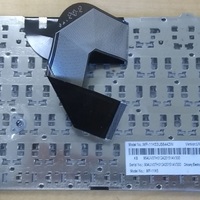
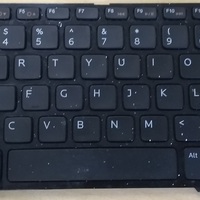
This laptop keyboard that was taken from the Dell Inspiron 14Z-5423 only had three identifying numbers on it, which were the following:
-
SN: 904UV07H0124201514V300
-
MP-11K53US6442W
-
1240-12
The last one is a date code that traces back to March of 2012. The keyboard also revealed that it had been made in China by Chicony Electronics Corporation. Using Chicony's website, I found their factory locations in China, and then used their page on global logistics to find the specific addresses. Their company profile on Bloomberg listed the company products for the Chicony factories in China, which led me to verify the address as being correct because the factory manufactures keyboards.
The manufacturing of keyboards is more difficult to pin down than the processing of other computer parts. There are keyboards specific to laptops and then there are those specific to stationary computers. Not much, if anything, has been written about how Chicony manufactures their keyboards, especially because their website is relatively outdated compared to companies like Dell and Intel. However, there are more general descriptions of how keyboards are made, which involve the same clean, white, sterile environment that Intel similarly fabricates their chips in. The keyboards are manufactured on an assembly line, each key being pressed into the frame, but the keys themselves are blank. In most keyboard companies, the letters and commands are later lasered on by a separate assembly line after all the keys are snapped into place. The keyboard is then put into the laptop in question and it is sent off to the final assembly lines.
Below is a video on how keyboards are made - again, not specifically Chicony's - but it'll be useful to visualize the essential manufacturing process.
- Title
- Base Cover
- Description
- The base cover of a DELL INSPIRON 14Z 5423 made in 2012.
- Provenance
- This was found inside of the dismantled laptop.
- Function
- A base cover of a laptop is used to protect the interior electric components of the laptop.
- Identifier
- Service Code: 42334568101
- Country of Origin
- China
- Date Code
- 2012 10 17A3
- Date Created
- 03/14/2012
- Other Markings
- Service Tag: JG4WPT1
- Manufacturer
- Dell Incorporated
- Evidence
- I went on Dell's website and found information about their locations of global manufacturing. Once I had looked at some of the factories that produce their products in China, where the text base cover revealed it had been made, I found another part of Dell's website that listed their suppliers in different parts of the world and what products come from each factory. There were 10 that were specifically Dell factories, only 2 of which were in China and only 1 of which manufactured a Dell laptop. Then I went to Hoovers to find out the exact address and logistics of the specific factory that fabricated this base cover.
- Curator
- Emma Snyder
- Is Part Of
-
Dell Inspiron 14Z-5423
- Item sets
- Dell Inspiron 14Z-5423
- Media
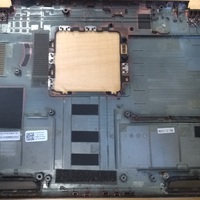 Base Cover
This base cover that was taken from the Dell Inspiron 14Z-5423 only had three identifying numbers on it, which were the following:
-
Service Code: 42334568101
-
Service Tag: JG4WPT1
-
2012 10 17A3
The last one is a date code that traces back to March of 2012. The base cover revealed it had been manufactured by Dell Incoporated in China. Dell's website listed their locations of global manufacturing, and their document on final assembly locations revealed the products that were made at each of their factories in China. This allowed me to narrow it down from their two factories in China to one that assembled and manufactured the same kind of laptop (Dell Inspiron) that my part was from. Using Hoovers, I found the company information and factory logistics to get the exact address and determine the products that the factory produced.
There is a plethora of laptop manufacturers that produce their laptops in similar ways. This base cover would have been applied during the final assembly, but because the part is not as specifically identifiable as a wireless card or a laptop keyboard, there is very little to be said about its actual creation process. It was clearly made of plastic, so that would have had to be put into a mold, and any additional stickers or marks of identification would have needed to be applied before it was screwed onto the laptop in one of the final assembly steps. This is not a piece of hardware or machinery like most of the other laptop components, so its process of creation would have been much simpler.
In most assembly lines, regardless of what computer company is manufacturing the device, there are workers lined up along a long conveyer belt. Individually, they add one part of the computer as it pauses in front of them, sometimes installing it with screws, other times snapping it into place. Base covers like this one are often the last materials to be put into place, because their eventual purpose is to be able to protect the hardware inside of the computer and putting it into place any earlier in the assembly process would have made it more difficult to place the other parts.
Below is a video on how Dell assembled their computers in 2012, which was the year that the Dell Inspiron 14Z-5423 that was dismantled for this project was created.